
Locations › Inland Empire › Murrieta
Murrieta LASIK & Cataract Surgery
4.9 on Google · 457 Murrieta patient reviews
LASIK in Murrieta, CA
Our team at NVISION® Eye Centers in Murrieta, California strives to provide the highest-quality care and life-changing results. To achieve this, we take a personalized approach to laser eye surgery, tailoring the experience to fit each patient’s needs. Patients choose us for our talented surgeons, caring and experienced staff, and personalized touch. We look forward to bringing you the excellent vision you deserve.
Whether you’re tired of relying on glasses or contact lenses or exploring options for laser eye surgery in the Inland Empire, our team is here to help. We specialize in personalized solutions, ensuring you receive the best care tailored to your vision goals. Patients throughout the area, including those searching for a trusted Murrieta ophthalmologist, choose us for our expertise and compassionate approach.
From your first eye exam in Murrieta to post-operative care, our friendly and knowledgeable staff will guide you every step of the way. Our center proudly serves the Inland Empire community, including nearby areas like Temecula and Menifee, making us a leading choice for those looking for LASIK eye surgery in Temecula or top-rated Inland Empire eye specialists.
Discover why so many patients trust NVISION Eye Centers in Murrieta for life-changing vision correction. Let us help you achieve the freedom and confidence that comes with exceptional vision.
Cataract Surgery in Murrieta, CA
Southwest Riverside County patients don’t need to drive to Orange County or San Diego for advanced cataract care. At NVISION Murrieta on Medical Center Drive, Dr. Stephen LoBue, a high-volume cataract and refractive surgeon and clinical researcher, and Dr. Richard Burns help you choose the right surgical approach and lens, including premium lifestyle lenses. Our optometrist, Dr. Ananya Jalsingh, is certified in cataract co-management, so your visits before and after surgery stay close to home too.
- Cataract surgery with Dr. Stephen LoBue and Dr. Richard Burns
- Laser-assisted surgery and premium lifestyle lens options
- Medicare and most major insurance plans accepted
- 10 minutes from Temecula, serving Menifee and Lake Elsinore

Why Patients Choose NVISION in Murrieta

99% SUCCESS RATE 99% of our patients see 20/20 or better after vision correction surgery at NVISION.
PROVEN TRACK RECORD Our experienced surgeons have performed over 2.5 million vision correction procedures.
LIFETIME COMMITMENT If a future enhancement is needed, qualified patients receive a same-technology enhancement procedure free of charge.
Vision Correction Procedures in Murrieta
Today's life-changing procedures make it possible to improve your vision to 20/20—or better.





Other Procedures
PRK Surgery (Photorefractive Keratectomy)
What is PRK Surgery?
PRK Surgery (Photorefractive Keratectomy) is a type of laser eye surgery that is used to correct refractive errors such as nearsightedness (myopia), farsightedness (hyperopia), and astigmatism. PRK is an alternative to LASIK eye surgery and is particularly suitable for individuals who may not be candidates for LASIK due to certain corneal characteristics.
Overview of the PRK surgery process:
- Corneal Epithelium Removal:
- In PRK, the surgeon begins by removing the thin outer layer of the cornea called the epithelium. This can be done using an alcohol solution, a special brush, or a laser.
- Laser Reshaping of the Cornea:
- Once the epithelium is removed, a laser is used to precisely reshape the cornea. The laser ablates or removes microscopic amounts of corneal tissue based on the patient’s refractive error. The goal is to correct the curvature of the cornea and improve the focus of light on the retina.
- Healing Process:
- Unlike LASIK, where a corneal flap is created, PRK does not involve creating a flap. Instead, the corneal surface is allowed to regenerate naturally. The healing process involves the growth of new epithelial cells over the treated area.
- Post-operative Care:
- Following PRK surgery, patients are given medicated eye drops to aid in the healing process and prevent infection. Recovery may take a bit longer compared to LASIK, and patients may experience temporary discomfort during the initial days.
Key considerations for PRK surgery include:
- Corneal Thickness: PRK may be a suitable option for individuals with thinner corneas who may not be ideal candidates for LASIK.
- Occupational Considerations: PRK may be recommended for individuals with occupations or lifestyles that carry a risk of corneal injury, as it eliminates the creation of a corneal flap.
- Healing Time: The initial visual recovery may take longer with PRK compared to LASIK. Patients typically experience optimal vision several weeks after the procedure.
PRK is a well-established and effective procedure for vision correction, and its suitability depends on individual factors. It’s important to consult with an experienced refractive surgeon or eye care professional to determine the most appropriate laser eye surgery option based on your eye health and lifestyle.
Corneal Collagen Crosslinking (CXL)
Keratoconus is a progressive disease of the cornea. With collagen cross-linking (CXL), you can halt the progression of keratoconus by strengthening your cornea.
Dry Eye Treatment
Dry eye is an irritating, painful, and common condition in which the eye fails to properly produce quality tears. When left untreated, it may lead to ulcers and scars on the cornea.
Depending on the severity of your condition, there are a variety of treatments to relieve dry eyes.
Pterygium Surgery
Pterygium surgery is performed under topical anesthesia on an outpatient basis.
Lifestyle Lenses
Lifestyle lenses are a premium lens option that offers a more functional range of vision, and are designed to reduce the need for distance and reading glasses.
We offer the latest and most advanced lifestyle lens on the market.
Cornea Transplantation
When irreversible damage to the cornea is caused, from either infection or trauma, corneal transplant or Keratoplasty may be the ideal option.
Not sure which procedure is right for you?
Our expert vision correction counselors can help you decide which procedure is right for you at your free, no-obligation consultation.
Meet Your Surgeons in Murrieta
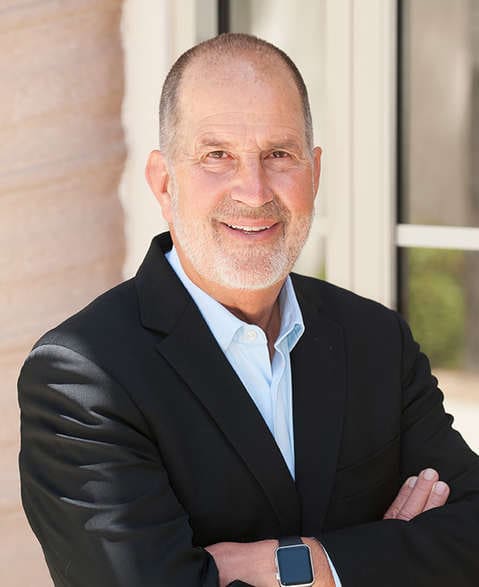
- LASIK
- Cataract

- LASIK

Allyssa Garcia

Ananya Jalsingh, O.D.
Dr. Ananya Jalsingh, affectionately known as “Dr. Nani,” is a longtime resident of San Diego who believes in building long-term relationships with patients and providing compassionate, high-quality care to the community.
She earned her Doctorate of Optometry with extensive training in ocular disease, low vision management, and co-management of peri-operative surgical procedures. She went on to complete a post-graduate clinical fellowship in Anterior Segment Eye Disease and has since practiced full-scope optometry in various private practice settings.
Dr. Nani is certified in the co-management of LASIK, cataracts, and other refractive procedures and enjoys collaborating with both patients and referring doctors to deliver excellent outcomes.
Patients in Murrieta Love Us
Join 457+ Murrieta patients who chose NVISION
What to Expect at NVISION in Murrieta
A Step-by-Step Guide to Vision Correction in Murrieta
Book Your Appointment
The first step toward life without glasses or contacts is simple: Book Your Appointment.
Meet Your Surgeon & Care Team
During your consultation, you will receive a full exam and personalized recommendation.
Experience the NVISION Difference
Your surgeon uses modern technology designed for precision, comfort, and safety.
Enjoy Fast Recovery & Lasting Results
Many patients return to normal activities quickly with ongoing support from our team.
Hurry, Offer Ends Soon: $1,000 Off Custom LASIK
193 people today
Cataract Surgery FAQs
What is an Intraocular Lens?
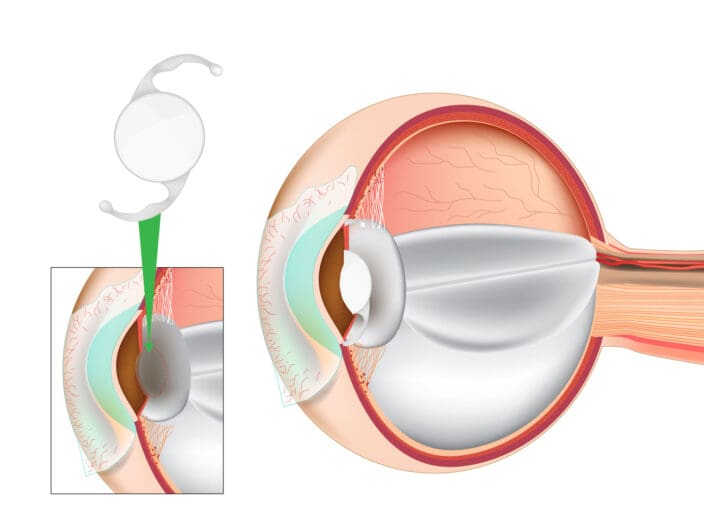
A cataract is when your natural lens becomes cloudy. When cataract surgery is performed, your cloudy lens is removed and replaced by a clear lens, an intraocular lens (IOL). The IOL restores the ability to see. Different types of IOLs are available. You will have the option of choosing the lens that best fits your lifestyle, including IOLs that will allow you to function free from glasses and contacts. The lens is permanent, needs no maintenance, and can remain in the eye for your entire life.
Is surgery the only option for cataract removal?
A cataract affects a patient’s quality of life by reducing their vision. Patients with cataracts will complain of reduced ability to see especially at night, also, difficulty reading, glare and halos at night, difficulty driving, and loss of clarity of images.These symptoms will worsen over time and, if left untreated, could lead to loss of vision. Cataract surgery is the only option to remove the cataract and correct a patient’s vision. There are different techniques in how a surgeon can remove a cataract. Your NVISION® surgeon will explain the options available to you and recommend what is best for you and your needs.
Is there a solution for people who need glasses and have cataracts?
Patients who need glasses and have cataracts, have the option of improving their vision and reducing or eliminating the need for glasses and contacts by choosing an IOL that is best suited for their lifestyle.
Refractive errors such as myopia (nearsightedness), hyperopia (farsightedness), presbyopia (the inability to focus close-up), and/or astigmatism (football shaped cornea) are all treatable with intraocular lenses.
In order to fine-tune results post cataract surgery, PRK or LASIK can also be performed.
What is presbyopia?
Presbyopia is an age-related condition that results in the loss of flexibility in the eye’s lens. This decreased flexibility makes it difficult to read near objects like books and newspapers. Over time, it becomes impossible to see well at near without the use of reading glasses or bifocals/progressive lenses. Selecting a lifestyle lens solution for your cataract surgery could alleviate presbyopic symptoms.
Does Medicare cover cataract surgery?
Yes. Medicare Part B covers medically necessary cataract surgery with a standard (monofocal) lens implant. After your Part B deductible, you typically pay 20% of the Medicare-approved amount, which a supplemental (Medigap) plan may cover. Premium lifestyle lenses and laser-assisted surgery cost extra and are paid out of pocket. Medicare also covers one pair of standard glasses or contacts after surgery. Our team will always verify your benefits before your procedure.
What's the difference between laser-assisted and traditional cataract surgery?
Both remove the cloudy lens and replace it with a clear artificial lens. The difference is how the first steps are done. In traditional surgery, the surgeon makes the small incisions and opening by hand before breaking up the cataract with ultrasound. In laser-assisted surgery, a femtosecond laser performs those steps and softens the cataract with computer-guided precision. NVISION specializes in laser-assisted cataract surgery, and your surgeon will recommend the right approach for your eyes. The laser is an added cost that insurance usually doesn’t cover.
Which lens (IOL) is right for me?
That depends on your eyes, your lifestyle and how much you want to rely on glasses after surgery. A standard monofocal lens, covered by insurance, gives clear vision at one distance, usually far, so most people still need reading glasses. A toric lens corrects astigmatism. Premium options like multifocal, extended depth of focus and light-adjustable lenses can provide a wider range of vision and reduce your need for glasses. Your surgeon will measure your eyes and walk you through the options at your evaluation.
How long is recovery after cataract surgery?
Most patients see clearer the day after surgery and return to normal activities within a few days. For the first week or two, avoid heavy lifting, strenuous exercise and rubbing your eye, and use your prescribed drops as directed. Your vision will keep improving and stabilize over the following weeks, and you’ll have follow-up visits to make sure you’re healing well. If both eyes need surgery, the second eye is usually done one to two weeks after the first.
Will I be awake during cataract surgery?
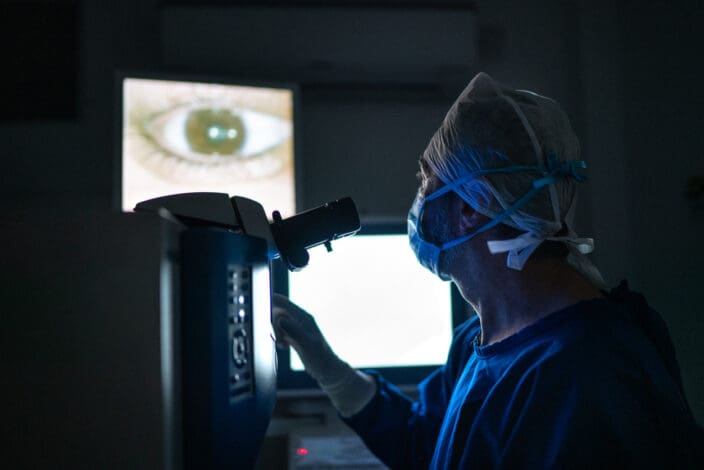
Yes, but you’ll be relaxed and comfortable. We use numbing eye drops and give you medication to ease anxiety, so you shouldn’t feel pain. The procedure itself usually takes about 10–20 minutes, and you’ll go home the same day. Plan to have someone drive you home.
Additional Resources




Questions Murrieta Patients Ask
Still have questions?
Our vision correction experts can answer all your questions at your free vision correction consultation — no pressure, no obligation.
NVISION Eye Centers - Murrieta
25485 Medical Center Dr Suite 212Murrieta, CA 92562
Mon - Fri: 8 AM - 5 PM
Saturday: Closed
Sunday: Closed
Areas We Serve in the Inland Empire

Temecula

Perris

Lake Elsinore

Hemet

French Valley

Menifee
Insurance Plans and Payment Options
Cataract surgery: Medicare and most major medical plans accepted.
At NVISION Eye Centers, we strive to make managing your care as easy as possible. In addition to working with many insurance providers, we offer a convenient online payment option for your bills. Click here to pay your bill online.
Below, you’ll find a list of the insurance companies we currently accept at this location. If your provider is not listed, please give us a call—NVISION frequently adds new insurance companies and offers many out-of-network options.
- Aetna
- Cigna
- Health Net
- Humana
- Medicare
- Tricare For Life
- AARP
- Blue Cross of California
- Blue Shield of California
- Eyemed Vision Care
- First Health
- Anthem
- GEHA
- Mail Handlers benefit plan
- QualSight
- Tricare Select
- So Cal Edison
- Local 1014
- Mutual of Omaha
Have questions about your specific plan?
Call us — we’ll check for you.