Procedures
Valeda Photobiomodulation for Dry AMD
Home / Procedures /
Valeda Photobiomodulation for Dry AMD
Valeda photobiomodulation harnesses low-intensity red, yellow, and near-infrared light to support retinal cell health. The treatment reduces oxidative stress, enhances mitochondrial function, and helps slow the progression of early to intermediate dry age-related macular degeneration (AMD). This procedure is offered at NVISION Centers as a noninvasive outpatient therapy.
What Is Photobiomodulation (PBM) Therapy?
Photobiomodulation, sometimes called low-level light therapy, is the use of specific wavelengths of light to influence how cells function — without heat, incisions, or drugs. In ophthalmology, that idea has been studied for years, but Valeda is the first device to translate it into an FDA-authorized treatment for an eye disease.
The Valeda Light Delivery System delivers a combination of red, yellow (amber), and near-infrared light directly to the retina in short, painless sessions. Each wavelength plays a different role: red and near-infrared light penetrate to the mitochondria — the energy-producing structures inside retinal cells — while yellow light is thought to support the retinal pigment epithelium, the layer of cells that nourishes and maintains photoreceptors. Together, they’re designed to counteract the cellular stress that drives dry AMD, rather than simply managing its symptoms.
How Valeda Works: The Science Behind the Light
Retinal cells are among the most metabolically demanding cells in the body — they burn through enormous amounts of energy just to keep the visual cycle running. As we age, mitochondria become less efficient, oxidative byproducts (reactive oxygen species) build up, and retinal cells gradually lose function. This is a central mechanism behind dry AMD.
Valeda’s light wavelengths are absorbed by mitochondrial enzymes, which appears to:
- Increase ATP production, giving retinal cells more usable energy
- Reduce oxidative stress by lowering harmful reactive oxygen species
- Improve local blood flow, through nitric oxide-mediated vasodilation that helps deliver oxygen and nutrients to the retina
- Support cell survival (cytoprotection), helping retinal cells resist the degeneration seen in AMD
Because it targets the underlying cellular environment rather than a single protein or pathway, PBM is considered a fundamentally different approach from the anti-VEGF injections used for wet AMD or the complement-inhibitor injections used for geographic atrophy.
Condition Treated
Macular Degeneration
Age-related macular degeneration (AMD) is a deterioration of a small part of the retina called the macula. The macula is responsible for your central vision, helping you see fine details of objects in front of you, near or far. Ask our doctors about ways to slow down or stop the progression of AMD.
Dry Age-Related Macular Degeneration (AMD)
Dry AMD damages the macula and impairs central vision. It’s caused by oxidative stress, inflammation, and mitochondrial decline in retinal cells. Valeda’s targeted light therapy aims to improve cellular energy (ATP), lower harmful reactive oxygen species, and enhance retinal function—addressing root causes rather than just symptoms.
Why Choose NVISION for Eye Care Needs?
Our Experience
Our board-certified surgeons are the most experienced, educated and caring professionals in the eye care industry. Our surgeons have performed over 2,500,000 procedures. More eye doctors have had their surgery performed by an NVISION surgeon than any other provider of eye care.
Patient Care
Every NVISION patient is different, and therefore, we strive to personalize their treatment based on their unique needs. We treat every patient with care, compassion, empathy and professionalism with a promise to deliver the best-in-class patient care.
Technology
We utilize only the most advanced laser and diagnostic equipment available to ensure we can deliver the best outcomes for our patients.

Common Questions About Valeda Photobiomodulation
How is Valeda different from other dry AMD treatments?
Valeda is the first FDA-authorized noninvasive treatment shown to improve vision in dry AMD using light rather than surgery or drugs. It works at the cellular level to support retinal metabolism and slowing disease progression.
Who is Valeda PBM for? Am I a candidate?
Valeda is intended for patients who:
- Have been diagnosed with early or intermediate dry AMD by an eye doctor or retina specialist
- Have mild to moderate vision impairment related to AMD (rather than advanced geographic atrophy or wet AMD)
- Are looking for a non-invasive option that doesn’t involve injections, surgery, or daily medication
Valeda is not a treatment for wet AMD, and it’s not intended to reverse vision already lost to advanced geographic atrophy. Patients with active photosensitivity disorders, or certain retinal conditions that make them sensitive to light exposure, may not be candidates. A comprehensive dilated eye exam and imaging (such as OCT) are typically used to confirm the stage of AMD and whether Valeda is appropriate.
What should I expect at a Valeda treatment session?
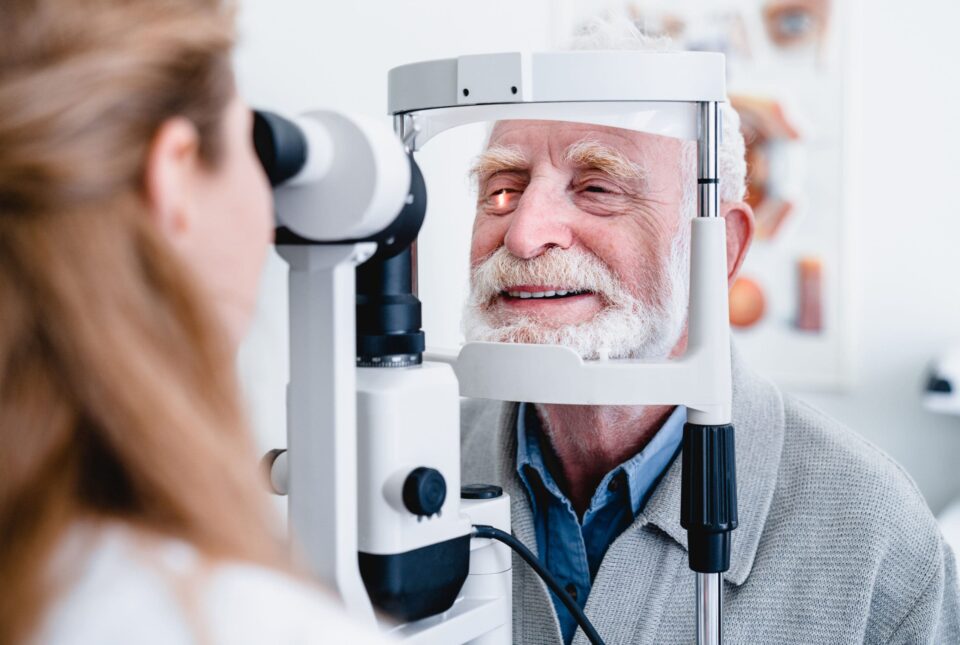
One of the appeals of Valeda is how uneventful the actual appointment is. There’s no dilation, no needles, no anesthesia, and no recovery time. You’ll rest at a device delivering light pulses—about 5–10 minutes per eye—with no dilation, injections, or drops required. A typical treatment course includes 9 sessions over 3 to 5 weeks, followed by maintenance treatments every four months.
A typical course of treatment looks like this:
- Initial series — 9 treatment sessions spread across 3 to 5 weeks (generally 3 sessions per week)
- Each session — about 5–10 minutes per eye, sitting comfortably at the Valeda device while it delivers pulses of light
- Maintenance treatments — a shorter series repeated roughly every 4 months to sustain the benefit, since PBM’s effects on retinal cells aren’t permanent without continued therapy
Most patients describe the sessions as simply sitting and looking into a light source — no discomfort, no downtime, and you can drive yourself home immediately afterward.
Is Valeda safe?
Clinical trials report no serious adverse effects. Some patients may notice mild, temporary light afterimages or irritation. It’s not recommended for individuals with photosensitivity disorders.
What are the Benefits of Valeda Photobiomodulation?
- Non-invasive — no injections, incisions, or implants
- No dilation or anesthesia required
- Quick sessions that fit around a normal schedule
- FDA-authorized evidence of improved visual acuity, not just slowed decline
- Addresses an underlying mechanism (mitochondrial and oxidative stress) rather than only monitoring the disease
- May reduce progression to geographic atrophy, a leading cause of permanent central vision loss
Does Valeda treat wet AMD?
No. Valeda is authorized specifically for dry (non-neovascular) AMD. Wet AMD, caused by abnormal blood vessel growth, requires a different treatment approach, typically anti-VEGF injections.
Will my insurance cover Valeda treatment?
Coverage varies by insurer and plan, since Valeda is a newly authorized therapy. Ask your NVISION provider’s office to check your specific benefits, and ask about any available financing options for out-of-pocket costs.
Can I take AREDS2 vitamins and get Valeda treatment at the same time?
Yes. Many patients use both, since AREDS2 vitamins and Valeda’s light therapy work through different mechanisms. Your doctor can advise on the best combination for your specific stage of AMD.
How soon will I notice a difference?
Some patients notice improvements in contrast sensitivity or visual clarity during the initial 9-session series, though results vary. The clinical trial measured benefits over months, not days, so it’s best to think of Valeda as a course of treatment rather than a single fix.
What happens if I skip maintenance sessions?
Photobiomodulation’s cellular effects aren’t permanent, which is why maintenance treatments are built into the protocol. Skipping them may mean the benefits fade over time — your doctor can help you stay on schedule.
Take the Next Step to Clear Vision Today
For over 25 years, NVISION has been the trusted choice in custom vision correction. With 135+ locations nationwide and over 2.5 million procedures performed, our board-certified surgeons combine expertise with the latest technology to deliver exceptional care.
Your journey to better vision starts here.

Book Your Consultation
You're one step closer to life without glasses or contacts. Just answer a few quick questions about your eye exam, and we'll lock in your appointment.
Have a question? Give our experts a call!
877-455-9942