
Laser Assisted Cataract Surgery Orange County
4.9 on Google · 559 patient reviews
Laser assisted cataract surgery in Orange County is available at NVISION Laguna Hills, where a femtosecond laser can handle the first steps of cataract removal that a surgeon traditionally does by hand. Below, we explain what the laser changes, when it helps, when traditional surgery is just as good, and how it affects your bill.
Laser Assisted Cataract Surgery Orange County at a Glance
NVISION Laguna Hills offers laser-assisted cataract surgery with Dr. Jonathan Pirnazar and Dr. Duna Raoof. The laser makes the corneal incisions, opens the lens capsule and softens the cataract before it is removed. It can help with astigmatism and premium lenses, but it isn't needed for every eye, and Medicare and most insurers treat the laser portion as an extra you pay for yourself.

What the Laser Does, Step by Step
Every cataract operation removes the cloudy natural lens and replaces it with a clear implant. In the traditional method, the surgeon creates tiny incisions in the cornea with a blade, makes a round opening in the thin capsule around the lens by hand, then uses ultrasound to break the cataract apart. With laser-assisted surgery, a femtosecond laser guided by a 3D scan of your eye does three of those jobs: it makes the incisions, cuts a precisely sized circular opening in the capsule, and divides the cataract into small pieces. Ultrasound still removes the softened fragments, and the implant goes in the same way.
When the Laser Helps and When It Doesn't
The laser is a tool, not a requirement. It tends to matter most in these situations:
- Mild astigmatism. Laser arc incisions can soften it; stronger astigmatism is usually better handled with a toric lens.
- Premium lenses. Multifocal and toric implants depend on precise centering, and a consistently round capsule opening helps them sit where they should.
- Dense cataracts. Softening the lens with the laser first can reduce the ultrasound energy needed to remove it.
- Routine cases. For a standard monofocal lens in an otherwise healthy eye, traditional surgery generally gives similar vision.
How the Laser Affects What You Pay
Medicare and most private insurers cover medically necessary cataract surgery with a standard lens, but they treat the laser portion as elective, so you typically pay that part yourself. Figures from the American Academy of Ophthalmology, cited in NVISION’s cataract cost guide, put the national average at $2,000 to $3,000 per eye for a standard procedure without insurance, rising to about $4,000 to $7,000 per eye once laser-assisted surgery or specialty lenses are added. Those are national averages, not a quote. NVISION Laguna Hills accepts Medicare, Blue Shield of California, Anthem, Aetna, Tricare and many other plans, and the team can explain your share before you decide.
Laser Cataract Surgery at NVISION Laguna Hills
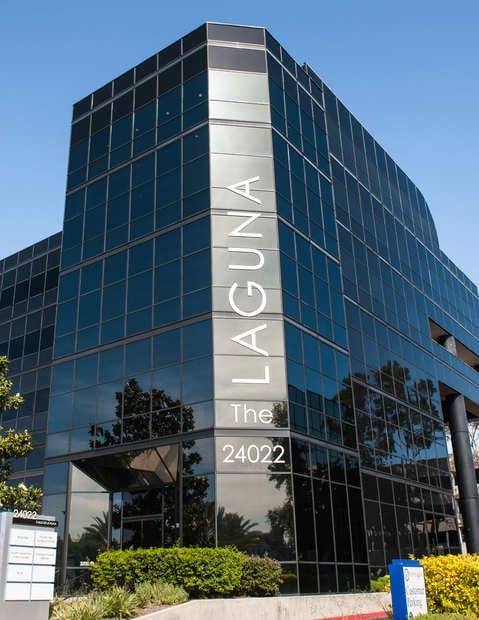
NVISION Laguna Hills is at 24022 Calle De La Plata, Suite 300, in the same building as Pacific Hills Surgery Center, and the office is open weekdays from 8 AM to 5 PM. Dr. Jonathan Pirnazar trained in cornea and refractive surgery at UC Irvine and has performed more than 90,000 refractive and cataract surgeries; his bio says he was among California’s first surgeons to use the laser for cataract surgery. Dr. Duna Raoof completed a two-year cornea, external disease and refractive surgery fellowship at Harvard Medical School and Massachusetts Eye and Ear, and her bio lists femtosecond laser-assisted cataract surgery and advanced lens implants among her areas of expertise. Both offer standard implants and premium lifestyle lenses, including toric lenses for astigmatism.
Meet Your Cataract Surgeons at NVISION Laguna Hills

- LASIK
- Cataract

- LASIK
- Cataract
NVISION Eye Centers - Laguna Hills
24022 Calle De La Plata Ste 300Laguna Hills, CA 92653
Mon - Fri: 8 AM - 5 PM
Saturday: Closed
Sunday: Closed
Frequently Asked Questions
Is laser-assisted cataract surgery better than traditional surgery?
Not automatically. Both methods remove the cataract and implant a lens, and for many eyes the final vision is similar. The laser adds precision to the incisions and capsule opening, which matters most if you have astigmatism or choose a premium lens. Your surgeon will tell you whether it’s likely to make a difference for your eyes.
Does Medicare pay for the laser?
No, not the laser part. Medicare Part B covers medically necessary cataract surgery and a standard lens after your deductible and coinsurance, but the laser is considered an upgrade. If you choose it, that portion is billed to you, often alongside the cost of a premium lens.
Will I feel the laser?
Most people feel only light pressure. Numbing drops are used, and you may get a mild sedative to help you relax. The laser stage takes just a few minutes, and the surgeon then completes the cataract removal and lens placement during the same visit.
Can I choose traditional cataract surgery instead?
Yes. Traditional surgery remains a well-proven option. At your evaluation, Dr. Pirnazar or Dr. Raoof will review your measurements, your astigmatism and your lens choice, then recommend the approach that fits. In many cases you can skip the laser and still choose a premium lens.
Ready for Cataract Surgery in Orange County?
Book your free consultation at NVISION Laguna Hills today