
Locations › Los Angeles › Rowland Heights
Rowland Heights LASIK & Cataract Surgery
4.9 on Google · 357 Rowland Heights patient reviews
Expert LASIK & Cataract Surgery in the San Gabriel Valley
If you’re exploring LASIK in Los Angeles, Rowland Heights, or San Gabriel Valley, our expert eye surgeons provide advanced procedures like Contoura LASIK, EVO ICL™, PRK, and SMILE. We are committed to delivering personalized vision correction using the latest technology, ensuring the highest standard of care.
Our ophthalmologists are industry leaders in refractive surgery, specializing in customized treatments that help patients achieve clear, glasses-free vision. When you choose our Rowland Heights LASIK center, you are choosing top-tier care from highly skilled eye doctors.
Top-Rated LASIK & Eye Surgery in Rowland Heights
At HyperSpeed LASIK, an NVISION® Eye Center, we serve Rowland Heights, San Gabriel Valley, and surrounding areas, offering customized LASIK surgery and life-changing vision correction.
Our Rowland Heights LASIK center is equipped with cutting-edge laser technology, and our experienced ophthalmologists are dedicated to providing exceptional results. Whether you’re looking for LASIK in Rowland Heights, cataract surgery near Hacienda Heights, or vision correction in the San Gabriel Valley, we are your trusted local provider.
Advanced Laser Eye Surgery Options in Rowland Heights
Our team of eye surgeons is committed to ensuring the comfort and satisfaction of each and every patient, taking a personalized approach that’s tailored to your needs. Learn more about laser eye surgery options below:
- LASIK Eye Surgery: Our Rowland Heights LASIK specialists use state-of-the-art technology to reshape the cornea, reducing or eliminating your dependence on glasses or contacts.
- Contoura LASIK: A next-generation custom LASIK procedure, Contoura offers Rowland Heights patients improved night vision and sharper contrast sensitivity.
- EVO ICL™: A great alternative to LASIK for patients with thin corneas or high prescriptions. If you’re not a LASIK candidate, EVO ICL™ in Rowland Heights may be the ideal solution.
- PRK Surgery: For patients with thin corneas or dry eyes, PRK in Rowland Heights offers excellent vision correction results without creating a corneal flap.
- SMILE Eye Surgery: A minimally invasive LASIK alternative in Rowland Heights, SMILE eye surgery is ideal for patients seeking quick recovery and reduced risk of dry eyes.
Expert Cataract Surgery in Rowland Heights & San Gabriel Valley
- Phacoemulsification (Most Common) – This advanced cataract surgery in Rowland Heights uses ultrasound energy to break up and remove the cataract through a small incision. A premium intraocular lens (IOL) is then implanted for clear vision.
- Extracapsular Cataract Surgery – For patients with advanced cataracts, this method removes the cloudy lens in one piece, replacing it with an artificial lens for restored vision in Rowland Heights.
Ambulatory Surgery Center: Same-Day Cataract & LASIK Procedures
Our Rowland Heights LASIK and Cataract Surgery Center is a fully equipped Ambulatory Surgery Center (ASC), offering same-day vision correction procedures in a specialized, patient-friendly environment.
Why Choose Our Rowland Heights LASIK & Cataract Surgery Center?
- Top-rated LASIK & cataract specialists in Rowland Heights
- Serving Rowland Heights, San Gabriel Valley, and Los Angeles
- Advanced technology for superior vision correction results
- Same-day procedures for LASIK & cataracts
If you’re looking for LASIK in Rowland Heights, San Gabriel Valley LASIK surgery, or cataract surgery near Los Angeles, contact us today to schedule a consultation. Let us help you achieve crystal-clear vision with personalized, expert care!
Cataract Surgery in Rowland Heights, CA
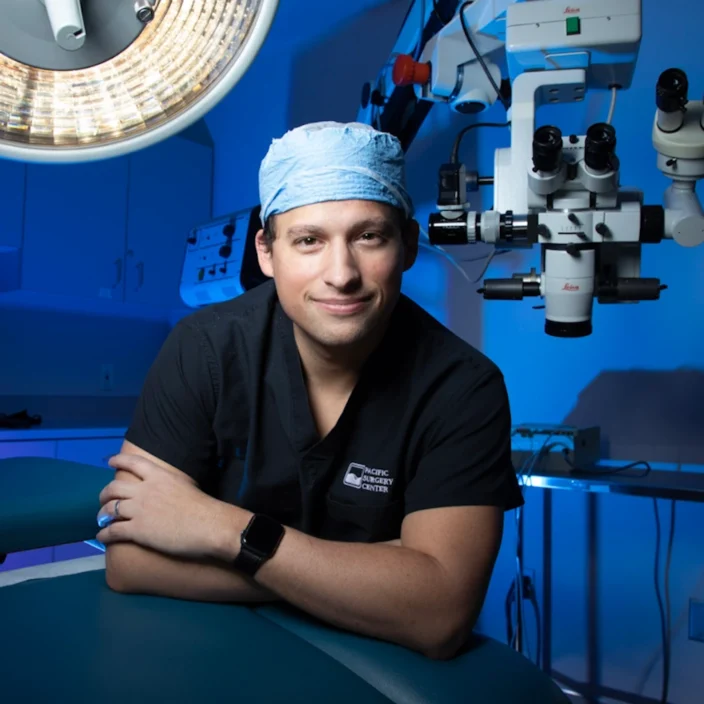
HyperSpeed LASIK performs cataract surgery in its own fully equipped ambulatory surgery center in Rowland Heights, so patients from Hacienda Heights and across the San Gabriel Valley can have their evaluation, surgery and follow-up care in one place. Dr. Eric Areiter, who specializes in cataract, LASIK/ICL and glaucoma surgery, offers laser-assisted cataract surgery and the latest intraocular lens technology, including premium lifestyle lenses that can reduce your need for glasses.
- Cataract, LASIK/ICL and glaucoma surgeon Dr. Eric Areiter
- Laser-assisted surgery and premium lifestyle lenses
- Serving Rowland Heights, Hacienda Heights and the San Gabriel Valley
Why Patients Choose NVISION in Rowland Heights

99% SUCCESS RATE 99% of our patients see 20/20 or better after vision correction surgery at NVISION.
PROVEN TRACK RECORD Our experienced surgeons have performed over 2.5 million vision correction procedures.
LIFETIME COMMITMENT If a future enhancement is needed, qualified patients receive a same-technology enhancement procedure free of charge.
Vision Correction Procedures in Rowland Heights
Today's life-changing procedures make it possible to improve your vision to 20/20—or better.




Other Procedures
Intacs® Corneal Implants for Keratoconus
The surgical implantation of intracorneal ring segments or Intacs® is a minimally invasive surgical option to improve the corneal shape in patients with keratoconus.
Intacs® are surgically inserted into a thin channel created by a femtosecond laser in the periphery of the cornea. Intacs® is also known as surgical implantation of intracorneal ring segments.
Pterygium Surgery
Pterygium surgery is performed under topical anesthesia on an outpatient basis.
PRK Surgery (Photorefractive Keratectomy)
What is PRK Surgery?
PRK Surgery (Photorefractive Keratectomy) is a type of laser eye surgery that is used to correct refractive errors such as nearsightedness (myopia), farsightedness (hyperopia), and astigmatism. PRK is an alternative to LASIK eye surgery and is particularly suitable for individuals who may not be candidates for LASIK due to certain corneal characteristics.
Overview of the PRK surgery process:
- Corneal Epithelium Removal:
- In PRK, the surgeon begins by removing the thin outer layer of the cornea called the epithelium. This can be done using an alcohol solution, a special brush, or a laser.
- Laser Reshaping of the Cornea:
- Once the epithelium is removed, a laser is used to precisely reshape the cornea. The laser ablates or removes microscopic amounts of corneal tissue based on the patient’s refractive error. The goal is to correct the curvature of the cornea and improve the focus of light on the retina.
- Healing Process:
- Unlike LASIK, where a corneal flap is created, PRK does not involve creating a flap. Instead, the corneal surface is allowed to regenerate naturally. The healing process involves the growth of new epithelial cells over the treated area.
- Post-operative Care:
- Following PRK surgery, patients are given medicated eye drops to aid in the healing process and prevent infection. Recovery may take a bit longer compared to LASIK, and patients may experience temporary discomfort during the initial days.
Key considerations for PRK surgery include:
- Corneal Thickness: PRK may be a suitable option for individuals with thinner corneas who may not be ideal candidates for LASIK.
- Occupational Considerations: PRK may be recommended for individuals with occupations or lifestyles that carry a risk of corneal injury, as it eliminates the creation of a corneal flap.
- Healing Time: The initial visual recovery may take longer with PRK compared to LASIK. Patients typically experience optimal vision several weeks after the procedure.
PRK is a well-established and effective procedure for vision correction, and its suitability depends on individual factors. It’s important to consult with an experienced refractive surgeon or eye care professional to determine the most appropriate laser eye surgery option based on your eye health and lifestyle.
Corneal Collagen Crosslinking (CXL)
Keratoconus is a progressive disease of the cornea. With collagen cross-linking (CXL), you can halt the progression of keratoconus by strengthening your cornea.
Dry Eye Treatment
Dry eye is an irritating, painful, and common condition in which the eye fails to properly produce quality tears. When left untreated, it may lead to ulcers and scars on the cornea.
Depending on the severity of your condition, there are a variety of treatments to relieve dry eyes.
Monovision LASIK
Monovision lasik can treat presbyopia. One eye would remain slightly nearsighted while correcting your other eye for distance vision. With both eyes open, you’ll experience clear and comfortable vision both near and far.
Cornea Transplantation
Cornea transplantation, also known as corneal grafting or keratoplasty, is a surgical procedure aimed at replacing a damaged or diseased cornea—the clear, dome-shaped surface that covers the front of the eye—with a healthy corneal tissue obtained from a donor.
There are several types of cornea transplantation procedures, each targeting different layers of the cornea or specific conditions.
Not sure which procedure is right for you?
Our expert vision correction counselors can help you decide which procedure is right for you at your free, no-obligation consultation.
Meet Your Surgeons in Rowland Heights
- LASIK
- Cataract
- Glaucoma
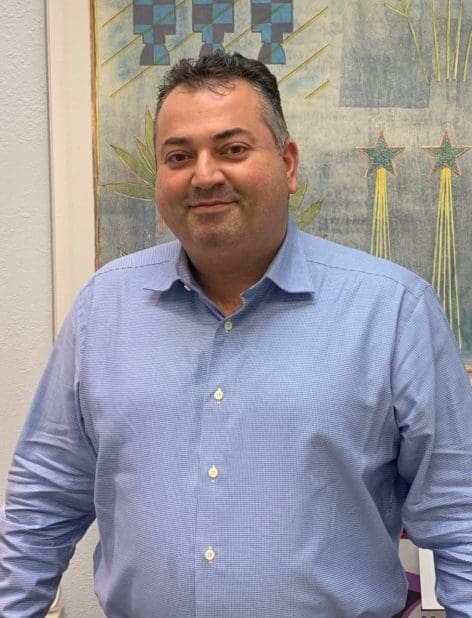
Karim Hageali
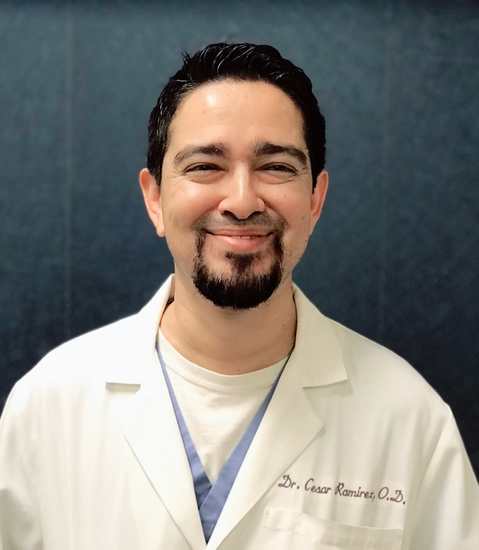
Cesar Ramirez, O.D.
With over 12 years of experience in a refractive surgery setting, Dr. Ramirez graduated with honors from Pacific University.
Patients in Rowland Heights Love Us
Join 357+ Rowland Heights patients who chose NVISION
What to Expect at HyperSpeed LASIK
A Step-by-Step Guide to Vision Correction in Rowland Heights
Book Your Appointment
The first step toward life without glasses or contacts is simple: Book Your Appointment.
Meet Your Surgeon & Care Team
During your consultation, you will receive a full exam and personalized recommendation.
Experience the NVISION Difference
Your surgeon uses modern technology designed for precision, comfort, and safety.
Enjoy Fast Recovery & Lasting Results
Many patients return to normal activities quickly with ongoing support from our team.
Hurry, Offer Ends Soon: $1,000 Off Custom LASIK
136 people today
Cataract Surgery FAQs
What is an Intraocular Lens?
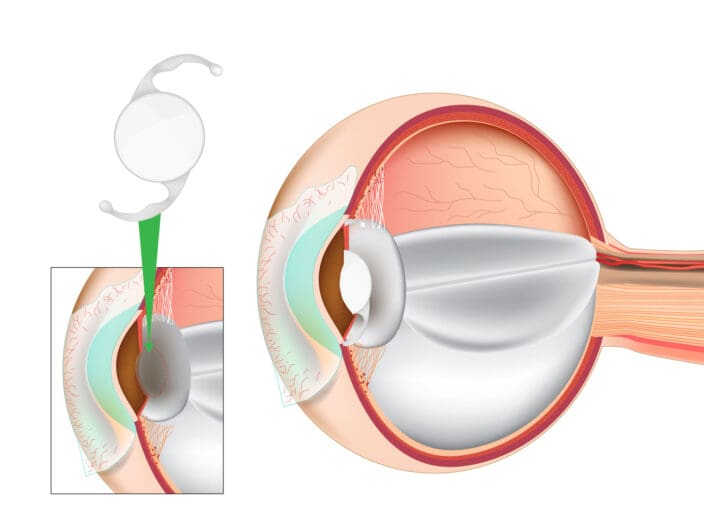
A cataract is when your natural lens becomes cloudy. When cataract surgery is performed, your cloudy lens is removed and replaced by a clear lens, an intraocular lens (IOL). The IOL restores the ability to see. Different types of IOLs are available. You will have the option of choosing the lens that best fits your lifestyle, including IOLs that will allow you to function free from glasses and contacts. The lens is permanent, needs no maintenance, and can remain in the eye for your entire life.
Is surgery the only option for cataract removal?
A cataract affects a patient’s quality of life by reducing their vision. Patients with cataracts will complain of reduced ability to see especially at night, also, difficulty reading, glare and halos at night, difficulty driving, and loss of clarity of images.These symptoms will worsen over time and, if left untreated, could lead to loss of vision. Cataract surgery is the only option to remove the cataract and correct a patient’s vision. There are different techniques in how a surgeon can remove a cataract. Your NVISION® surgeon will explain the options available to you and recommend what is best for you and your needs.
Is there a solution for people who need glasses and have cataracts?
Patients who need glasses and have cataracts, have the option of improving their vision and reducing or eliminating the need for glasses and contacts by choosing an IOL that is best suited for their lifestyle.
Refractive errors such as myopia (nearsightedness), hyperopia (farsightedness), presbyopia (the inability to focus close-up), and/or astigmatism (football shaped cornea) are all treatable with intraocular lenses.
In order to fine-tune results post cataract surgery, PRK or LASIK can also be performed.
What is presbyopia?
Presbyopia is an age-related condition that results in the loss of flexibility in the eye’s lens. This decreased flexibility makes it difficult to read near objects like books and newspapers. Over time, it becomes impossible to see well at near without the use of reading glasses or bifocals/progressive lenses. Selecting a lifestyle lens solution for your cataract surgery could alleviate presbyopic symptoms.
Does Medicare cover cataract surgery?
Yes. Medicare Part B covers medically necessary cataract surgery with a standard (monofocal) lens implant. After your Part B deductible, you typically pay 20% of the Medicare-approved amount, which a supplemental (Medigap) plan may cover. Premium lifestyle lenses and laser-assisted surgery cost extra and are paid out of pocket. Medicare also covers one pair of standard glasses or contacts after surgery. Our team will always verify your benefits before your procedure.
What's the difference between laser-assisted and traditional cataract surgery?
Both remove the cloudy lens and replace it with a clear artificial lens. The difference is how the first steps are done. In traditional surgery, the surgeon makes the small incisions and opening by hand before breaking up the cataract with ultrasound. In laser-assisted surgery, a femtosecond laser performs those steps and softens the cataract with computer-guided precision. NVISION specializes in laser-assisted cataract surgery, and your surgeon will recommend the right approach for your eyes. The laser is an added cost that insurance usually doesn’t cover.
Which lens (IOL) is right for me?
That depends on your eyes, your lifestyle and how much you want to rely on glasses after surgery. A standard monofocal lens, covered by insurance, gives clear vision at one distance, usually far, so most people still need reading glasses. A toric lens corrects astigmatism. Premium options like multifocal, extended depth of focus and light-adjustable lenses can provide a wider range of vision and reduce your need for glasses. Your surgeon will measure your eyes and walk you through the options at your evaluation.
How long is recovery after cataract surgery?
Most patients see clearer the day after surgery and return to normal activities within a few days. For the first week or two, avoid heavy lifting, strenuous exercise and rubbing your eye, and use your prescribed drops as directed. Your vision will keep improving and stabilize over the following weeks, and you’ll have follow-up visits to make sure you’re healing well. If both eyes need surgery, the second eye is usually done one to two weeks after the first.
Will I be awake during cataract surgery?
Yes, but you’ll be relaxed and comfortable. We use numbing eye drops and give you medication to ease anxiety, so you shouldn’t feel pain. The procedure itself usually takes about 10–20 minutes, and you’ll go home the same day. Plan to have someone drive you home.
Additional Resources




Still have questions?
Our vision correction experts can answer all your questions at your free vision correction consultation — no pressure, no obligation.
HyperSpeed LASIK - An NVISION® Eye Center
17980-1 Castleton StRowland Heights, CA 91748
Monday: Closed
Tuesday: 9 AM - 5 PM
Wednesday: 7 AM - 1 PM
Thursday: 8 AM - 5 PM
Friday: 8 AM - 5 PM
Saturday: 7:45 AM - 5 PM
Sunday: Closed
Have questions about your specific plan?
Call us — we’ll check for you.