Conditions
Glaucoma
What is Glaucoma?
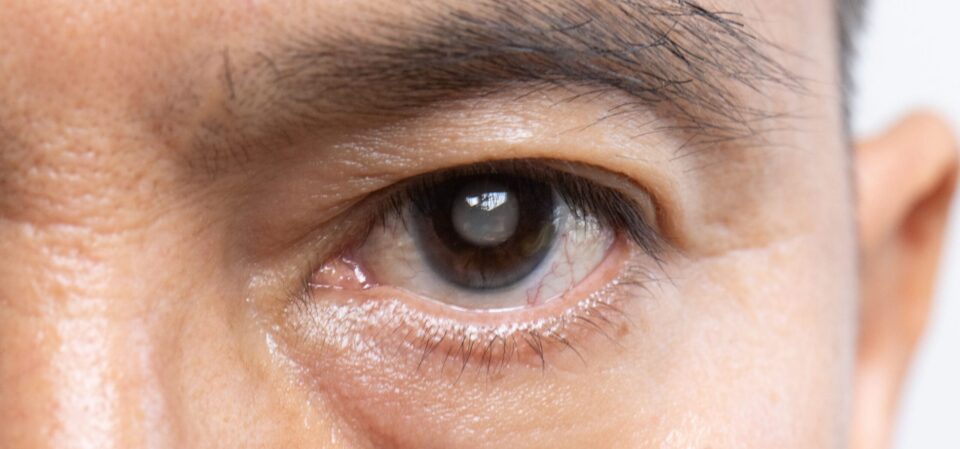
Glaucoma is a serious eye disease that can result in permanent damage to your optic nerve. It often starts with unnoticeable blind spots in your peripheral vision followed by tunnel vision. If left untreated, glaucoma can lead to total blindness.
Common Questions About Glaucoma
What causes glaucoma?
Glaucoma is believed to be a genetic disease and it may not appear until later in your life. It most commonly occurs when the normal drainage flow of eye fluid is blocked, which increases pressure in your eye.
Besides hereditary factors, glaucoma can also be caused by trauma, inflammatory eye conditions, or other causes. There’s also a known relationship between diabetes, nearsightedness and open-angle glaucoma (the most common type of glaucoma).
What can be done about glaucoma?
Glaucoma is usually managed with eye drops, and vision loss can be slowed or prevented, but early detection is vital. Alternative treatments, such as iDose® TR and Minimally Invasive Glaucoma Surgery are an excellent alternative to the use of eye drops, especially if you need to use more than one drop or if you are not able to consistently use your eye drops. In more severe cases, glaucoma shunt procedures or filtering blebs are needed. NVISION has multiple surgeons who specialize in the surgical treatment of glaucoma.
What are the different types of glaucoma?
There are several types of glaucoma. The most common are open-angle glaucoma, angle-closure glaucoma, and normal-tension glaucoma. Although they develop differently, all of them can damage the optic nerve and lead to permanent vision loss if left untreated.
What is the difference between open-angle and narrow-angle glaucoma?
In open-angle glaucoma, the eye’s drainage angle stays open, but the drainage system gradually becomes less efficient. In narrow-angle glaucoma, the drainage angle becomes crowded or blocked. Narrow angles can sometimes cause a sudden rise in eye pressure, which makes early detection especially important.
What is ocular hypertension and is it the same as glaucoma?
Ocular hypertension means the pressure inside your eye is higher than normal, but there is no sign of damage to the optic nerve. Not everyone with high eye pressure develops glaucoma, but these patients should be monitored closely because their risk is higher.
What is normal-tension glaucoma?
Normal-tension glaucoma is a form of glaucoma in which the optic nerve is damaged even though eye pressure is within the normal range.
How is glaucoma diagnosed?
Glaucoma is diagnosed with a comprehensive eye exam that includes measuring eye pressure, examining the optic nerve, and specialized tests such as OCT imaging and visual field testing. We also evaluate the eye’s drainage angle and run other tests that help determine your level of risk.
What is a visual field test and what does it show?
A visual field test measures your side (peripheral) and central vision to find areas of vision loss that may be caused by glaucoma. It’s one of our most important tools for detecting glaucoma and tracking whether it is getting worse over time.
Who is most at risk of developing glaucoma?
Risk factors include older age, a family history of glaucoma, high eye pressure, and certain racial or ethnic backgrounds. African Americans are at greater risk for primary open-angle glaucoma, while people of Asian ancestry have a higher risk of certain forms of angle-closure glaucoma.
At what age should I start being screened for glaucoma?
We generally recommend a baseline comprehensive eye exam by age 40, although people with a family history of glaucoma or other risk factors may need to be checked earlier. Because glaucoma often develops without noticeable symptoms, regular eye exams are essential for catching it early.
Does high blood pressure or diabetes increase my glaucoma risk?
They can. Diabetes is linked to a higher risk of glaucoma, and high blood pressure may also play a role. Good blood flow to the optic nerve is important, so managing your overall heart and blood vessel health is helpful alongside regular eye exams.
Why Choose NVISION for Eye Care Needs?
Our Experience
Our board-certified surgeons are the most experienced, educated and caring professionals in the eye care industry. Our surgeons have performed over 2,500,000 procedures. More eye doctors have had their surgery performed by an NVISION surgeon than any other provider of eye care.
Patient Care
Every NVISION patient is different, and therefore, we strive to personalize their treatment based on their unique needs. We treat every patient with care, compassion, empathy and professionalism with a promise to deliver the best-in-class patient care.
Technology
We utilize only the most advanced laser and diagnostic equipment available to ensure we can deliver the best outcomes for our patients.

Unparalleled Commitment
Exceptional outcomes. The gold standard in patient care. The #1 Choice of Eye Doctors®. The Vision For Life promise. That’s what makes the NVISION® experience like no other.

Take the Next Step to Clear Vision Today
For over 25 years, NVISION has been the trusted choice in custom vision correction. With 135+ locations nationwide and over 2.5 million procedures performed, our board-certified surgeons combine expertise with the latest technology to deliver exceptional care.
Your journey to better vision starts here.

Book Your Consultation
You're one step closer to life without glasses or contacts. Just answer a few quick questions about your eye exam, and we'll lock in your appointment.
Have a question? Give our experts a call!
877-455-9942